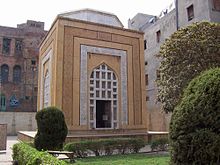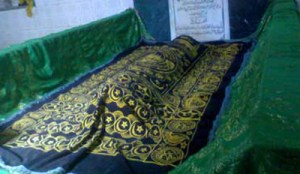
Shah Mohammed Afaq Delvi was a Naqshabandi sheikh and his dargha is near Pul Bangash Metro Station On Roshan Aaraa Road Delhi.
Continue reading

Shah Mohammed Afaq Delvi was a Naqshabandi sheikh and his dargha is near Pul Bangash Metro Station On Roshan Aaraa Road Delhi.
Continue reading
Mumshad Dinwari, or Karimuddin Mun’im, was an early Sufi saint, a successor to Abu Hubairah Basri, seventh link in the Sufi silsilah of the Chishti Order, and the Master of Abu Ishaq Shami. There seem to be many versions of his name in English letters when transliterating from Urdu, Persian and Arabic. I have chosen Mumshad Dinawari as being the most correct as far as I can tell.
Continue reading
From the museum website.
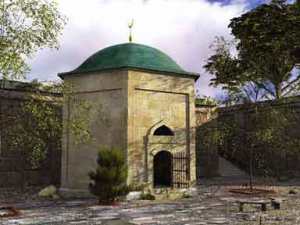
On the eastern slope of Rózsadomb the Tomb of Gül Baba reminds us of the time when the majority of Hungary was under Turkish reign. Suleiman I decided to invade the Castle of Buda on the spring of 1541 so it would not be seized by the Hungarian king.
Continue reading
Mirzā Mazhar Jān-i Jānān (Urdu: مرزا مظہر جانِ جاناں), also known by his laqab Shamsuddīn Habībullāh (1699–1781), was a renowned Naqshbandī Sufi poet of Dehli, distinguished as one the “four pillars of Urdu poetry.”He was also known to his contemporaries as the sunnītrāsh, “Sunnicizer”, for his absolute, unflinching commitment to and imitation of the Sunnah of the Prophet Muhammad.
Continue reading
Hussain ibn ‘Alī ibn Abī Ṭālib was the son of ‘Alī ibn Abī Ṭālib (ra) (final Rashidun Caliph and first Shia Imām) and Fātimah Zahrā (daughter of Muhammad (saw) and Khadija (ra)). Hussain is an important figure in Islām as he is a member of the Ahl al-Bayt (the household of Muhammad) and Ahl al-Kisā, as well as being a Shīa Imām, and one of The Fourteen Infallibles of Shīa Twelvers.
Continue reading